





What is local SEO? The short answer
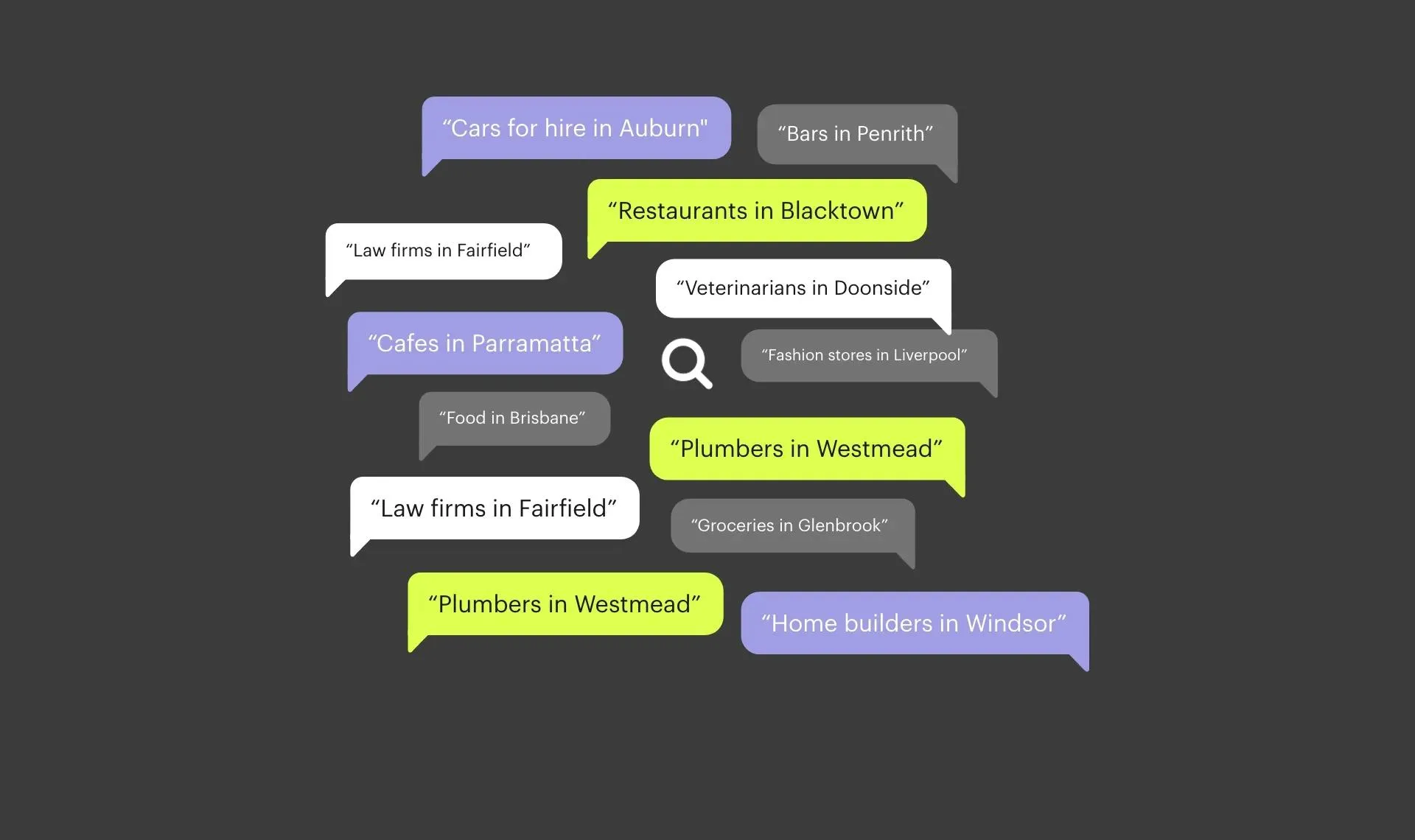
Local SEO (local search engine optimisation) is the work that gets a business found for searches with a place attached, such as "plumber Penrith" or "accountant near me". It covers your Google Business Profile, reviews, citations and the local pages on your website, so you appear in the map pack and the local results where many people choose. That makes local SEO for small business the most direct way to turn local searches into calls and visits.
Search engine optimisation (SEO) is an important tool for any business, no matter how big or small. Search engine optimisation, especially in the context of local SEO, refers to the process of improving your business’s visibility in search results to attract local customers. Local SEO services are key in helping businesses draw local customers and boost their visibility on search engines. But with so many different options available, it can be difficult to decide which local SEO service is right for you. In this article, we’ll discuss the benefits of utilising a local SEO service and outline what might make one provider better than another.
For most businesses looking to maximise their presence online, having a strong local SEO strategy is essential. Local SEO important because it helps businesses stand out in local search results, attract nearby customers, and increase conversions. A good local SEO strategy will help your business show up higher in relevant local searches related to your products or services within a particular geographic area - meaning that more potential customers can find you when searching locally. Plus, investing in the right kind of local SEO means that more people who are interested in buying from you will be able to discover your business quickly and easily.
At its core, choosing the best SEO service requires finding someone who understands both the importance of targeting a specific location as well as being familiar with current industry trends and techniques. With that understanding comes knowledge about what tactics work best for maximising visibility in certain areas: something only experienced professionals have access to. SEO plays a crucial role in improving your business's online presence, ensuring accurate business information and managing your reputation to attract more local customers. So if you’re considering taking advantage of local SEO services for your business, read on to learn why doing so could benefit your bottom line!
How local SEO works
At first glance, you may think that local SEO is a kind of oxymoron. After all, how can it be both ‘local’ and ‘search engine’? Well, the truth is that local SEO services actually exist and are used to help businesses get found in their local area by potential customers through search engines like Google and Bing. Users typically enter specific search queries, such as long-tail or location-based keywords, when looking for local businesses, making it essential to optimise for these terms.
Local SEO involves optimising websites for keywords related to the business’s location or service area. This includes creating content about topics relevant to the business’s target market as well as making sure its website is correctly optimised with local meta tags and page titles. Additionally, a good local SEO strategy should include link building from other high-quality sites in order to increase visibility on search engine results pages (SERPs). It may also involve claiming listings on popular directory sites such as Yelp or Yellow Pages. All these efforts combined will improve a business’s chances of showing up in local results and achieving a higher local ranking when users conduct searches related to their product or service offering. Local SEO work typically focuses on optimising business relevance, proximity, prominence, and accurate NAP data, as well as strategies like reviews and internal linking to boost rankings.
Understanding Local Search
Local search is the process of looking for products, services, or information that are tied to a specific geographic area. When someone searches for “coffee shop near me” or “best plumber in [city],” they’re performing a local search. These local search results are displayed by search engines like Google, Bing, and other search engines, and are tailored to show businesses that are close to the searcher’s current location.
For local businesses, understanding local search is crucial. It’s not just about being online, it’s about being visible to nearby customers who are ready to buy. Local SEO experts optimises your business to appear in these local search results, helping you attract more local customers and drive more foot traffic to your location. Whether someone is searching from their phone, tablet, or desktop, local search ensures your business shows up when it matters most. By focusing on local search, you can connect with more local customers and stand out in your community, no matter what other search engines your audience might use.
Why local SEO is important for small business
Local SEO is important for small business because it puts you in front of nearby people at the moment they are looking to buy. Local searches show a map with 3 listings above the normal results, and many people choose from those 3. A small business with a complete profile, steady reviews and a page for each service area can sit above a bigger competitor with a better website. That is why local SEO matters most for businesses that serve a set area.
Local SEO is a game-changer for businesses that depend on attracting local customers. When your business appears in local search results, you’re putting your products and services in front of people who are actively looking for what you offer in your area. A strong SEO strategy helps you dominate local search rankings, making it easier for more local customers to find and choose your business over competitors.
For small businesses, local SEO levels the playing field, allowing you to compete with larger companies by targeting your specific audience. By optimising your website, Google Business Profile, and other online listings for local search, you can boost your local search visibility and reach more customers who are nearby and ready to buy. This not only increases your chances of being discovered in search results but also helps drive more foot traffic and generate more revenue.
Having an up-to-date business profile and accurate online listings ensures that your business information is consistent across the web, making it easier for potential customers to contact you. Ultimately, investing in SEO is essential for any business that wants to attract more local customers, grow their reputation, and stay ahead in the local market.
Signals In Local Intent
When it comes to local SEO results, intent-based searches are a key factor. Intent is the reason someone conducts a search; understanding how users’ needs and motivations change based on their location can help you get more targeted leads for your business. Local intent signals show whether someone searching in your area has an immediate need or just wants information.
Here are 6 common signals of local intent:
- Queries with geographic qualifiers such as “near me” or “in city x”
- Searches that include terms like “open now,” “hours,” or “closest store”
- Looking up addresses and phone numbers
- Checking out restaurant reviews or ratings online
- Searches on Google Maps within your screen view for certain categories on such as construction companies
- Clicking through from Google Maps listings
Understanding these signals allows businesses to better optimise their content for local search intent. Local keyword targeting is crucial for understanding user intent, as it helps identify what nearby customers are searching for and ensures your content matches their needs. By targeting local keywords and making an effort to target local keywords in your content and online profiles, you can significantly improve your local search visibility and attract more customers from your area. Knowing which keywords people use when they want something specific in their own area helps companies tailor pages and ads to meet those needs directly. This level of targeting results in higher clickthrough rates and improved visibility within the SERPs (search engine result pages). Ultimately, this provides greater ROI than generic keyword targeting without any regional specificity.
Google My Business
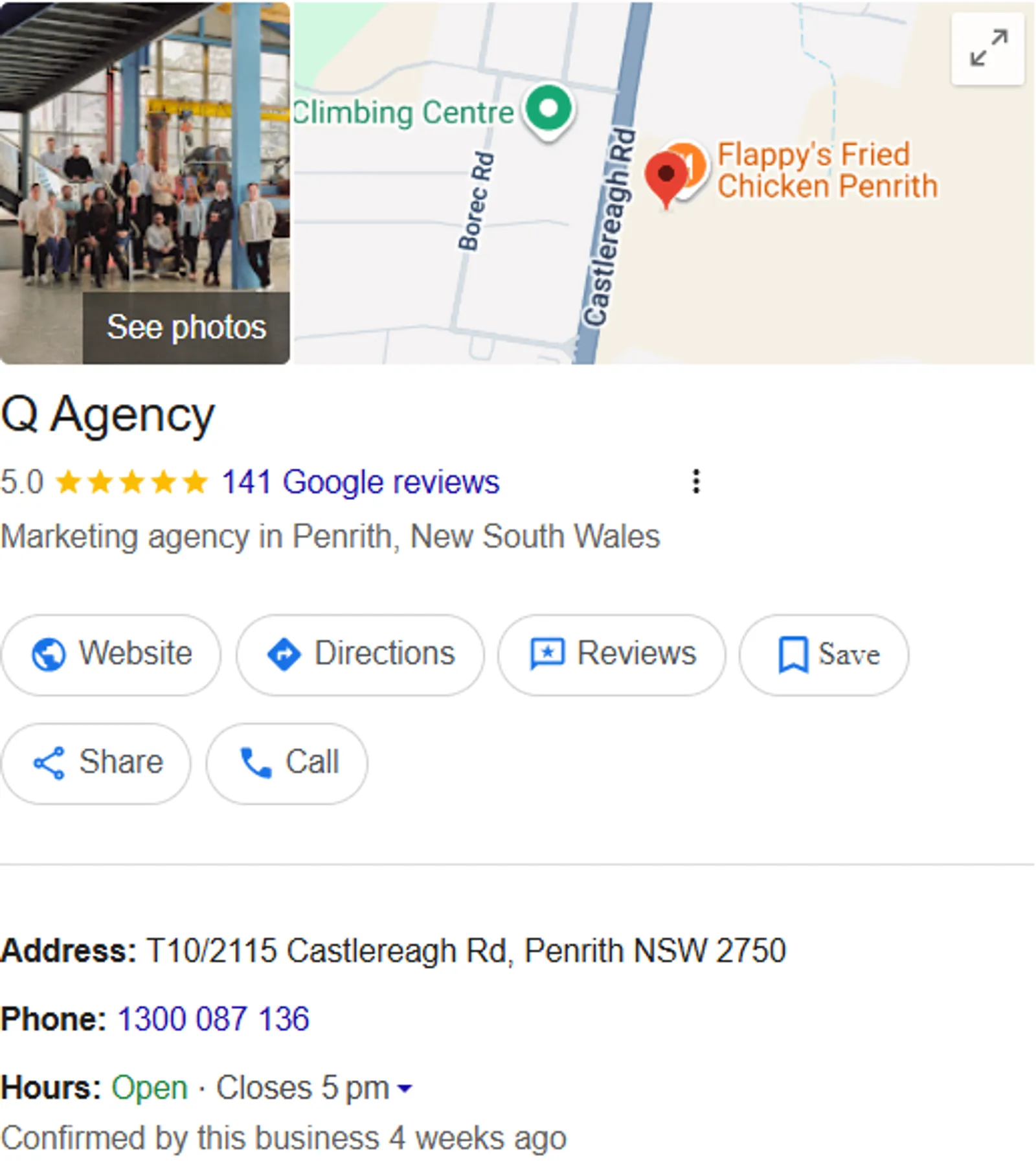
Google My Business(Google Business Profile) is a great tool for local business owners to use in order to create an online presence. Google Business Profile optimisation is a key part of local SEO for small businesses, helping businesses improve their visibility and ranking in local searches. It’s free and easy to set up, allowing businesses to reach more potential customers. With Google Business Profile, it’s simple to create a listing and optimise it for better visibility on the web. This helps with SEO efforts by improving your ranking in local searches.
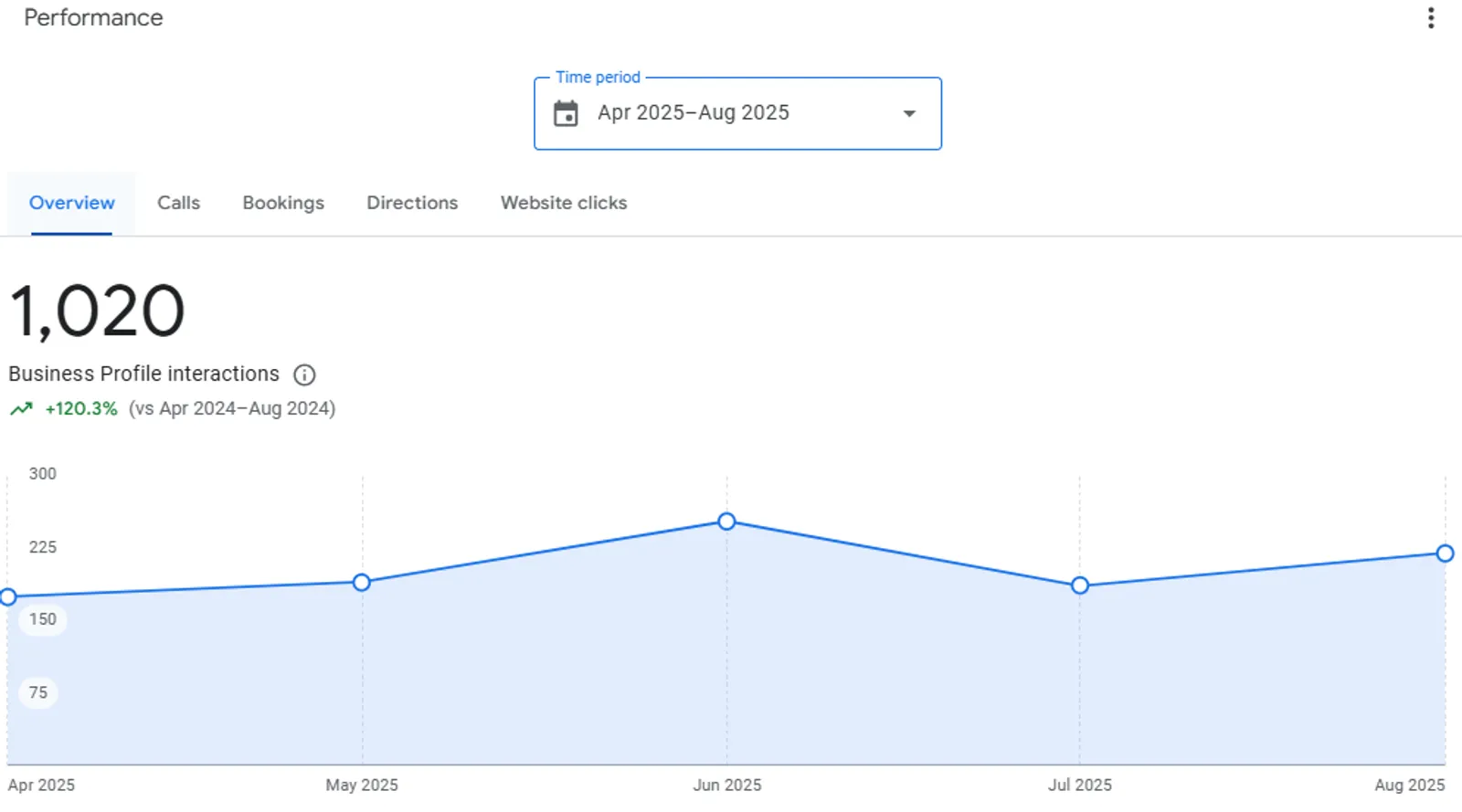
By creating a Google Business Profile listing, you can make sure that your local business has both a strong local presence as well as an effective online one. Listing optimisation includes updating contact information and ensuring your business name is consistent across all platforms, adding images or videos of products or services offered, as well as utilising relevant keywords throughout the profile description. Doing so will help ensure that your listing stands out from competitors and attracts customers who are looking specifically for what your business offers. Additionally, keeping the profile updated regularly allows customers to have access to accurate information about your company at all times.
With Google Business Profile, local businesses can benefit greatly from increased exposure within their target areas while also having control over how they present themselves online. Optimising profiles correctly is key when striving towards improved local rankings; taking advantage of this powerful platform should be part of any successful digital marketing strategy. Implementing local business schema can further enhance search engine understanding and improve the visibility of your business in search results.
Local Search Citations
Local search citations are a vital part of local SEO. They’re listings on external websites that contain your business’s name, address and phone number (NAP). These citations help build trust with search engines, so they can rank you higher in local searches.
Creating these citations is an important step in setting up any SEO campaign. The goal is to create as many high-quality local citation listings as possible. To do this, look for reputable local directories, business directories, and industry relevant sites that allow businesses to list their NAP information. Make sure the info is accurate and consistent across all listings. This will help ensure maximum visibility in local searches.
Once you’ve listed yourself in popular directories, focus on optimising existing citations by adding images or videos to them if allowed. Managing your local listings is crucial to ensure your NAP information remains accurate and consistent across all platforms. You may also want to include additional details about your company such as services offered or hours of operation. Doing this helps boost credibility with both customers and search engine algorithms alike.
Customer Reviews
Now that you have put in the hard work to get your business listed on local search citations, it is time to leverage customer reviews. Review management is an essential part of any successful SEO strategy and can help ensure positive feedback from clients. Online reviews have a significant impact on local SEO rankings and your business reputation. Utilising client testimonials helps potential customers learn more about what makes your business unique. Not only are customer reviews great for giving a boost to your website’s rankings, but they also provide invaluable insights into what customers think of your products or services.
Another way to improve your online presence through customer reviews is by utilising star ratings. Star ratings allow prospective customers to quickly assess how their experience with your business may be without having to read all the other reviews left by past customers. Additionally, businesses should actively seek out ways to encourage satisfied customers to leave a review so that others will see those glowing words and be encouraged to choose them over competitors! Responding promptly and professionally to negative reviews is also crucial, as it helps build trust with potential clients and can improve your SEO in local searches.
Quality Link Building
Link building is an essential part of local SEO services. Quality links help boost rankings in local search results and give your website more credibility. It’s important to get quality links from high authority websites, as well as long tail keywords that are relevant to the topic of your site.
When engaging in link building activities, it’s best practice to avoid spammy techniques such as buying links or using automated tools. This can result in penalties and cause you to fall out of favour with Google’s algorithms. Instead, focus on creating content that will draw organic backlinks from authoritative sites. Analysing local competitors can help you identify potential link building opportunities from local sources, strengthening your presence in your target area. Doing this ensures that your SEO efforts stay within the bounds of the rules set by search engines like Google and Bing.
Keyword Research
Having focused on link building, the next step in SEO is keyword research. Local businesses should pay special attention to this element of their digital marketing strategy since local searches are becoming increasingly more important. Without proper targeting and optimisation for local keywords, a business may not be found by potential customers searching within their area. Using tools like Google Keyword Planner can help discover relevant local keywords and analyse search data for more effective targeting.
When it comes to optimising for local search engine results pages (SERPs), there are 4 key items to consider:
- Long tail keywords that include location-specific words
- Researching competitors’ local keywords
- Optimising existing content with local keywords
- Targeting new keywords specific to your service or product offerings
To develop an effective SEO plan and improve visibility in SERPs, businesses need to focus on these 4 elements as they relate to local keyword research. This includes everything from conducting competitive analysis of competitor’s rankable terms to running reports identifying longtail phrases related to the services offered locally. Additionally, companies will want to review existing web copy and blog posts for opportunities where they can insert location-based modifiers into already optimised pieces of content. Finally, when crafting titles, meta descriptions and headings don’t forget about adding relevant localised terms so you’re ranking for all possible phrases associated with your products/services in the specified geographic region. Effective keyword research can drive local traffic to your website, increasing engagement and potential sales. It's also important to focus on on page SEO to ensure your local keyword usage is fully optimised for better search visibility.
Local Search Ranking Factors
Local search ranking factors are the key elements that determine where your business appears in local search results. These factors help search engines decide which businesses to show for a given search query, and in what order. By understanding and optimising for these factors, you can improve your local search rankings and attract more local customers through search results.
The main local search ranking factors include relevance, distance, and prominence. Each plays a unique role in how your business is matched to local searches and how visible you are to nearby customers.
Relevance
Relevance measures how closely your business matches what a user is searching for. To boost your relevance in local searches, it’s important to optimise your website, Google Business Profile, and other online listings with relevant local keywords, detailed descriptions, and accurate categories. This helps search engines understand exactly what your business offers and when to display it in response to local searches.
For example, if you run a bakery in Melbourne, including keywords like “Melbourne bakery,” “fresh bread in Melbourne,” and similar phrases in your meta descriptions, headings, and website content will help your business appear in relevant local searches. The more clearly you communicate your services and location, the more likely you are to connect with customers searching for what you offer.
Distance and Prominence
Distance refers to how close your business is to the person searching, while prominence is all about your business’s reputation and visibility online. To improve your standing in both areas, make sure your Google Business Profile is complete, accurate, and regularly updated with your latest business details.
Prominence can be boosted by encouraging satisfied customers to leave positive reviews on your Google Business Profile, as well as by building strong local citations and local backlinks from reputable directories and websites. The more your business is mentioned and recommended online, the more likely it is to appear at the top of local searches for nearby customers.
By focusing on both distance and prominence, you can increase your chances of being discovered by people searching for your services in your local area, helping you attract more nearby customers and grow your business.
Generate Local Community Buzz Online.
In this day and age, creating a local online buzz is essential to any business’s success. Leveraging the power of modern technology and tapping into an established online community can be hugely beneficial in terms of generating brand recognition and increasing revenue. With that being said, how can you generate local community buzz online?
One way to do so is through the use of social media platforms such as Twitter, Facebook, Instagram, or YouTube. By engaging with members of your local community on these sites and providing valuable content related to your business, you’ll create a strong presence for yourself within that space. Additionally, it’s important to take advantage of user-generated content by asking customers to post reviews about their experiences with your product or service: this will help build trust among potential buyers.
Another effective method for gaining traction locally is by setting up a blog or website where visitors can find more information about what your company has to offer. Furthermore, hosting local events, sponsoring local events, or offering exclusive discounts should also encourage people in the area to learn more about your brand and foster community engagement. All in all, there are numerous strategies available that businesses can employ when looking to create an online buzz around their services and attract customers through local community buzz: it just takes some creativity!
What is local SEO optimisation?
Local SEO optimisation, also called local search optimisation, is the process of optimising your website and business listings to appear in the local section of search engine results and draw attention from people searching for products and services in their area. Appearing in the local pack, especially Google's Local Pack, is crucial for local search visibility, as it showcases the top 3 local business listings and significantly increases your chances of being noticed by potential customers.
Local search visibility is an important part of successful online marketing, as it helps you stand out among competition that might not be taking advantage of this opportunity. Here are 5 key elements to consider when implementing local seo:
- Optimising content with keywords related to location;
- Building citations and links by listing your business information across multiple websites;
- Leveraging reviews to build trust and credibility;
- Enhancing social media presence within target markets;
- Tracking analytics data to measure performance;
- Optimising for local packs and creating content that highlights your local services to improve local search performance.
Through strategic planning, effective implementation, tracking, and continual monitoring of progress, businesses can maximise their potential through the use of local search optimisation tactics. When done correctly, SEO can help attract customers searching for local services, increase brand awareness, drive qualified leads to websites, boost sales conversions rates, and improve overall profitability.
Our local SEO services
At Q Agency, our local SEO services cover everything a local SEO campaign needs. Our team of SEO experts works towards measurable results, helping your business improve its visibility in local search rankings, and we report on the work in plain terms. Our services include:
Local SEO Audits:
With this service, we analyse your existing website for any errors or discrepancies in the content or coding. This helps us identify any areas needing improvement so that it can be rectified quickly and easily. We also conduct detailed keyword research to ensure that your website is optimised properly for search engine rankings.
Local SEO Optimisation:
Through our optimisation services, we make sure that all of your webpages are up-to-date and relevant to the keywords associated with them. We'll also ensure that your pages load quickly and accurately on both desktop and mobile devices. Additionally, we handle image optimisation as well as meta tag optimisation to boost user experience across different platforms.
Local SEO Strategies & Campaigns:
In order to maximise your SEO potential, we create customised campaigns tailored specifically for you. Our strategies involve creating backlinks from high quality websites, optimising social media accounts, generating press releases, building directory submissions, etc., all aimed at increasing visibility for your business online.
Local SEO Tracking & Reporting:
To keep track of our success rate, we generate reports based on data collected from key performance indicators like organic traffic such as Google and Bing. These insights enable us to fine tune our strategies accordingly in order to achieve optimal results over time.
What that looks like in practice: Lexicon went from unranked into the Blue Mountains map pack and to #1 for "commercial electrician Penrith", and per-venue local SEO took "Redfern brewery" to number one inside 3 months for Mountain Culture. We scope every local SEO campaign with you after the first call, so the work fits your business and the areas you serve.
Frequently Asked Questions
How Often Should I Use Local SEO Services?
When it comes to SEO services, one of the most common questions is how often should they be used? The frequency of using these services depends on a variety of factors and will vary from business to business. It's important to assess your needs before deciding the best schedule for implementing local SEO services
Local SEO works best as ongoing work rather than a one-off job. Reviews, profile updates and local content keep compounding while competitors keep moving, so most businesses run it continuously and review the plan every quarter. A one-off audit and clean-up can still help if your profile and citations have never been set up properly.
Understanding which frequency is right for your particular situation requires careful consideration and research into your individual goals. Doing so allows you to create a detailed plan with specific objectives and measurable results in order to maximise the impact of your SEO efforts. With a well thought out strategy in place, businesses can successfully utilise local SEO services within designated time frames without overspending or wasting valuable resources.
What is the difference between local SEO and regular SEO?
Local SEO targets searches with a place attached, including "near me" searches, and the map pack that appears for them. It relies on your Google Business Profile, citations and reviews as much as your website. Regular SEO, sometimes called national SEO, competes for searches with no location in them through content and authority at scale.
The two overlap. Both need a fast, crawlable website, useful content and good links. The difference is where the weight sits: local SEO puts more of it on proximity, reviews and consistent business details, while national SEO puts more on content depth and backlinks.
Many businesses need both. A local business can win the map pack for its suburbs while its service pages build wider rankings over time, and the same keyword research feeds both.
How long does local SEO take?
Google Business Profile and citation fixes usually show in the map pack within 4 to 8 weeks. Suburb pages and reviews compound over 3 to 6 months. Tracking rankings for each suburb from the first month lets you see the movement as it happens.
What businesses need local SEO the most?
Local SEO for businesses pays off most when they serve customers in a set area: trades, clinics, professional services, hospitality and shops with a physical location. If people search for what you do with a suburb or "near me" attached, local SEO is where many of your new customers will come from.
Does local SEO work for ecommerce businesses?
It can, if you have a showroom, a warehouse with pickup or local delivery. A Google Business Profile and local pages can win nearby searches, while the rest of the catalogue competes nationally through ecommerce SEO.
How Do I Track The Success Of Local SEO Campaigns?
Tracking the success of local SEO campaigns is like piloting a rocket. You need to be aware of all the indicators and metrics, as well as monitor their performance constantly in order to make sure you are heading towards your intended destination. Like an experienced astronaut or engineer, it's important to have the right tools and know-how in place when attempting to measure, evaluate, analyse and track SEO success.
The first step is understanding what data points can help you get a better idea about how your SEO campaign is performing. Having reliable analytics tools that allow you to access key metrics such as clicks, impressions and conversions will give you a clear indication of the effectiveness of your efforts. Additionally, monitoring changes in keyword rankings over time can provide valuable insight into areas where improvements may be needed. It's also essential to keep an eye on any potential competitors who might be targeting similar keywords or phrases since they could potentially outrank you if not monitored closely enough. Finally, making use of surveys or customer feedback forms can help ensure that customers are satisfied with their experience after using your services.
By leveraging these methods regularly, businesses should be able to accurately assess whether their SEO campaigns are having the desired effect and implement necessary adjustments accordingly for optimal results. With the right combination of data analysis and strategic planning, tracking local SEO success doesn't have to be rocket science - just remember that proactivity is key!
How Can I Use Local SEO To Target A Specific Local Audience?
Using local SEO to target a specific local audience is an effective way of ensuring that your marketing campaigns are reaching the right people. Local keyword research and geo-targeting techniques can help you identify which keywords will bring in the most relevant traffic, while also making sure you're targeting potential customers within your desired geographic area.
To successfully use local SEO strategies to reach a targeted local audience, it's important to understand the needs of the consumer through market research. This helps determine what kind of content should be created and how best to optimise it for search engine visibility. Additionally, services like Pay Per Click (PPC) advertising allow businesses to make their ads more visible by allowing them to bid on certain keywords related to their product or service offering. When executed properly, this strategy can lead to improved click-through rates as well as increased sales conversions from those targeted searches.
Local SEO requires careful planning and execution if you want your efforts to pay off. By taking the time to conduct thorough research into who your ideal customer is and utilising various tools such as PPC advertising, you can reach a much larger pool of potential customers than ever before. With these tactics in place, you can ensure that your business reaches its intended target audience quickly and efficiently with minimal effort required on your end.
What Is The Best Way To Use Local Seo In Conjunction With Other Marketing Strategies?
Leveraging local SEO in conjunction with other marketing strategies can be a powerful way to target specific audiences. By combining the nuances of local search optimisation with traditional marketing tactics, businesses have an opportunity to create a comprehensive strategy that will reach their desired audience and drive results.
It is important for businesses to consider all aspects of local SEO when creating their marketing plan. This includes optimising content for local searches, utilising social media platforms to connect with potential customers, and ensuring correct metadata is used on websites and across digital channels. Additionally, leveraging geo-targeting functions available through Google Ads or Facebook are great ways to further refine your approach to ensure you're reaching the right people at the right time and place.
Using these strategies together allows small business owners to maximise their efforts while also helping them save money by avoiding unnecessary spend. With the combination of local SEO tactics and broader marketing strategies, businesses can gain greater visibility within their geographic area as well as take advantage of more general trends happening locally or nationally. Ultimately this kind of combination helps companies achieve better ROI from both short-term campaigns and long-term brand awareness initiatives.
It's clear that local SEO services can be a great way to increase visibility and reach customers in your local area. But how often should you use them? The answer depends on the size of your business, budget, and goals.
For small businesses with limited budgets, starting with the Google Business Profile, reviews and citations covers most of the ground. However, if you have bigger marketing goals such as targeting a specific audience or driving more foot traffic, then it pays to invest in an ongoing campaign.
No matter what type of business I run, tracking success is essential for any successful local SEO campaign. Fortunately there are tools available which make it easy to measure results and optimise performance over time. With proper planning and execution, local SEO can be an effective tool for increasing brand awareness and reaching new audiences.
Contact Q Agency today at 1300 087 136 to start preparing your digital presence for the future.